A dehumidifier is usually the more useful option when indoor laundry leaves your home feeling damp; a heated airer is worth considering when your main aim is to add warmth directly to the washing. Both can help clothes dry, but they handle the moisture differently. The right choice depends on your room, washing routine and the cost of a complete drying session.
This guide compares the two for UK homes in autumn and winter, with practical buying checks and an honest way to work out electricity costs.
Dehumidifier vs heated airer: a quick comparison
| Question | Dehumidifier | Heated airer |
|---|---|---|
| How does it help? | Removes water vapour from the room air, helping moisture evaporate from clothes. | Warms the rails or drying space to encourage evaporation. |
| Where does the water go? | Into a tank or an approved continuous drain. | Usually into the room air; ventilation or separate moisture control is still needed. |
| What space do you need? | Room for an ordinary airer plus the appliance and its required clearances. | Room for the opened airer and any manufacturer-approved cover. |
| What should you compare? | Extraction performance, operating temperature, noise, power use and controls. | Usable hanging space, rated power, controls, storage size and care instructions. |
| What determines running cost? | Actual electricity used over the whole drying session. | Actual electricity used over the whole drying session. |
When does a dehumidifier make more sense?
If washing stays clammy and the windows become wet, adding heat alone may leave you with the same moisture problem. A dehumidifier collects airborne moisture rather than simply warming the clothes. It can also serve a separate purpose outside laundry sessions when your home needs help managing excess humidity.
Start by checking the room and moisture sources. Ventilation remains necessary, and leaks or building defects need attention. For wet bedroom windows, see our bedroom-window condensation guide.
For regular washing loads, compare compressor models before choosing a small desktop appliance. The size of the collection tank is not its daily extraction rate: a two-litre tank does not mean the machine removes two litres every day. Our mini versus large dehumidifier guide explains the distinction.
When might a heated airer suit you?
A heated airer may suit a home with suitable ventilation where you mainly want a dedicated place to dry washing. Check how much usable rail space it offers when clothes are spread out, rather than judging only by the number of tiers. Thick towels, overlapping fabric and crowded rails can make the real drying routine less convenient than the product photograph suggests.
Check garment care labels and the appliance instructions. Use a cover only if the manufacturer permits it. Remember that evaporated water still needs somewhere to go: a heated airer does not normally collect it in a tank.
Which costs less to run?
Compare cost per finished load, not just watts or pence per hour. An appliance drawing less power can still cost more over a session if it runs for much longer. Room conditions, fabric thickness, spin speed and the amount of washing all affect the result.
Use this calculation:
Cost in pounds = average power in kW × hours used × your electricity unit rate in £/kWh.
For illustration only, an appliance averaging 200W for six hours uses 1.2kWh. At an assumed rate of 25p/kWh, that costs 30p. One averaging 300W for six hours uses 1.8kWh and costs 45p at the same rate. These are arithmetic examples, not measured Senelux performance, current tariff quotes or evidence that either appliance finishes a load in six hours.
A suitable plug-in energy monitor can help you compare complete sessions. Rated power provides a rough calculation; actual consumption can vary as controls cycle. For more detail, read our dehumidifier running-cost guide.
A Senelux option to compare: the Primo S12
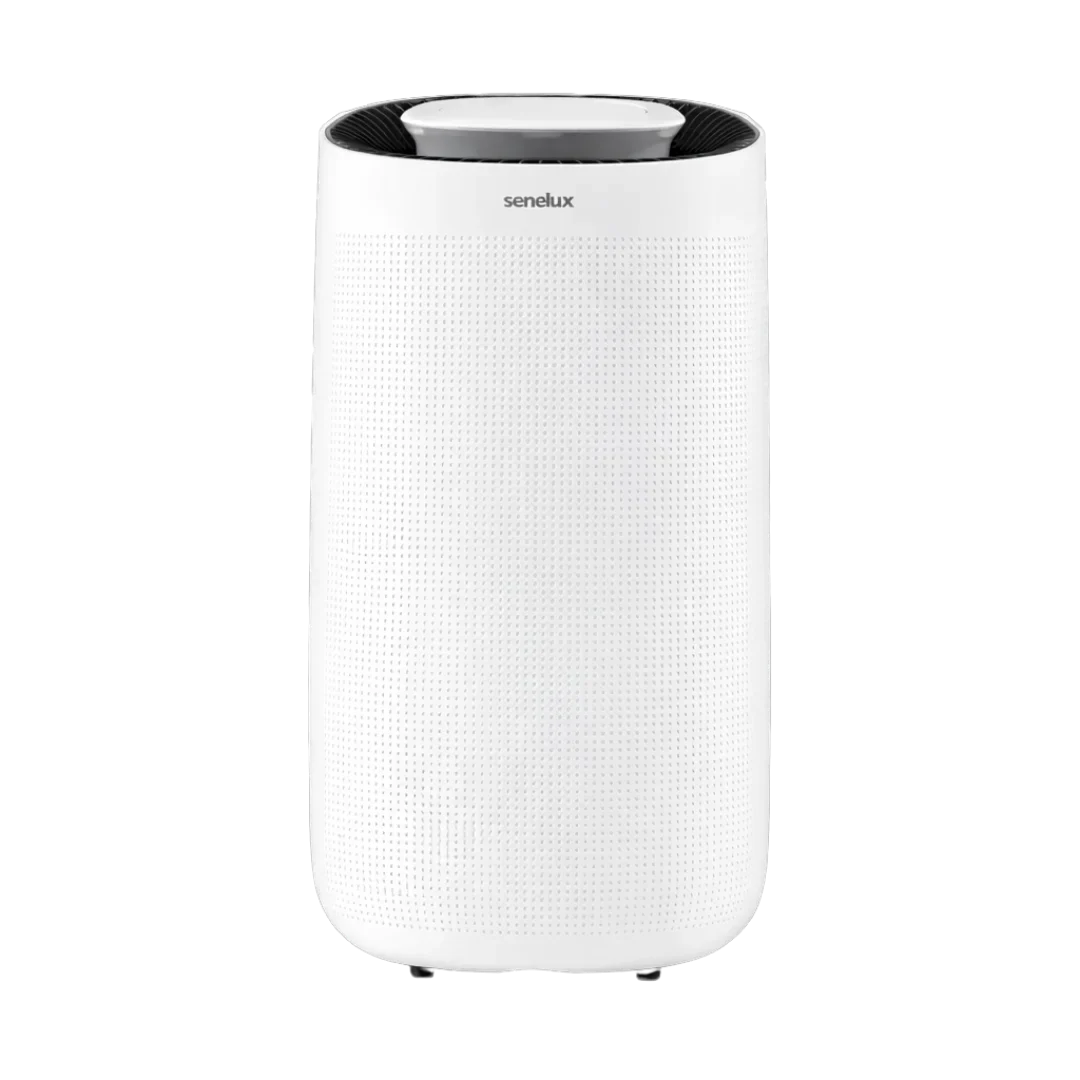
The Senelux Primo S12 Smart Dehumidifier is a compressor model with Wi-Fi controls, a humidity display, timer options and continuous drainage. Its listing gives a maximum extraction rating of 12 litres per day; that is not a promise of daily collection in your home or a laundry-drying time.
Compare the product details and operating instructions with your room and routine before buying. Check current price and availability on the product page.
View the Primo S12 and its current specifications
How to get more from an indoor drying session
- Remove water before hanging. Use a suitable spin programme allowed by the garment care label.
- Give fabrics space. Unfold sleeves and separate items so air can move around them.
- Choose the location carefully. Keep the appliance clear of dripping clothes, leave the manual's required airflow gaps and avoid blocking access.
- Keep ventilation working. Do not seal required vents or use a dehumidifier as a replacement for fresh air.
- Check progress. Empty the collection tank when needed and stop the drying session once clothes are dry, following the appliance instructions.
For a fuller setup guide, read how to dry clothes indoors with a dehumidifier.
Frequently asked questions
Can you use a heated airer and dehumidifier together?
They perform different jobs, so they may be used in the same suitable room if both manufacturers' instructions allow the arrangement. Maintain all required clearances and electrical safety precautions. You pay for both appliances, so do not assume the combination is cheaper: compare its total energy use for a finished load.
Will a dehumidifier dry clothes overnight?
Drying time depends on the load and conditions. Avoid choosing a machine on an unverified overnight promise. Check the instructions before deciding how and when to run it, and plan around the tank capacity, controls and noise.
Will either appliance fix mould or a leak?
No. Drying equipment cannot repair a roof, plumbing or other building defect. Persistent damp or recurring mould needs its cause investigated and appropriate remedial work.
Which should you choose?
If moisture management is part of the problem, start by comparing a suitably sized dehumidifier. If the room already manages moisture well and you want heated hanging space, a heated airer may suit your routine. Whichever you choose, judge the result by dry clothes, manageable humidity and total running cost.
Explore the Senelux dehumidifier range
Further reading: Energy Saving Trust guidance on damp, condensation and ventilation. Product information: linked Senelux product listing. This comparison contains no independent drying-speed or savings test.