Condensation forms on the inside of a bedroom window when moist indoor air meets glass cold enough for water to collect. A dehumidifier can help if excess moisture is part of the problem, but also check ventilation, heating and the condition of the window and building.
A wet pane in the morning does not tell you, by itself, that the room needs the largest appliance you can buy. Work through the cause first. The location of the moisture, the room temperature and whether the issue persists during the day are useful clues.
First, check where the water is
| Location | What it may suggest | Next check |
|---|---|---|
| On the room-facing glass | Indoor condensation | Moisture sources, extraction, ventilation and surface temperature |
| Between sealed double-glazing panes | A glazing-unit issue | Ask a competent window specialist to assess it |
| A wall or ceiling patch, especially after rain | Possible water entry or another building fault | Investigate and repair the cause |
| On the outside surface | Different outdoor surface conditions | Do not assume an indoor appliance will resolve it |
Why does it happen in a bedroom overnight?
People release water vapour through breathing and normal activity. Nearby showers, wet towels and laundry can add more. Overnight, the glass may cool while doors and windows remain closed. Those conditions can make room-facing condensation more noticeable in the morning.
Repeated dampness should prompt a wider investigation. A room may need better extraction from adjoining wet areas, suitable background ventilation, more consistent warmth or attention to a building defect. Wiping the glass is useful housekeeping, but does not explain why the water keeps returning.
Five useful checks before buying an appliance
- Look for avoidable moisture. Move drying laundry to a suitable space and manage steam from showers and cooking.
- Check existing ventilation. Keep required background vents clear and make sure extraction works where moisture is produced.
- Watch the temperature. A cold room and cold glass can keep producing condensation even when moisture levels are not extreme.
- Measure consistently. A humidity reading is more informative when taken in a repeatable position at different times, alongside temperature.
- Check for damage or leaks. Do not treat a damp patch as ordinary condensation without considering other causes.
When can a dehumidifier help?
If the room has excess airborne moisture, an appropriately sized appliance can remove some of it. Place it where the manual permits, with clear airways, and use the controls to assess a defined drying session. It should complement the home’s ventilation, not replace it.

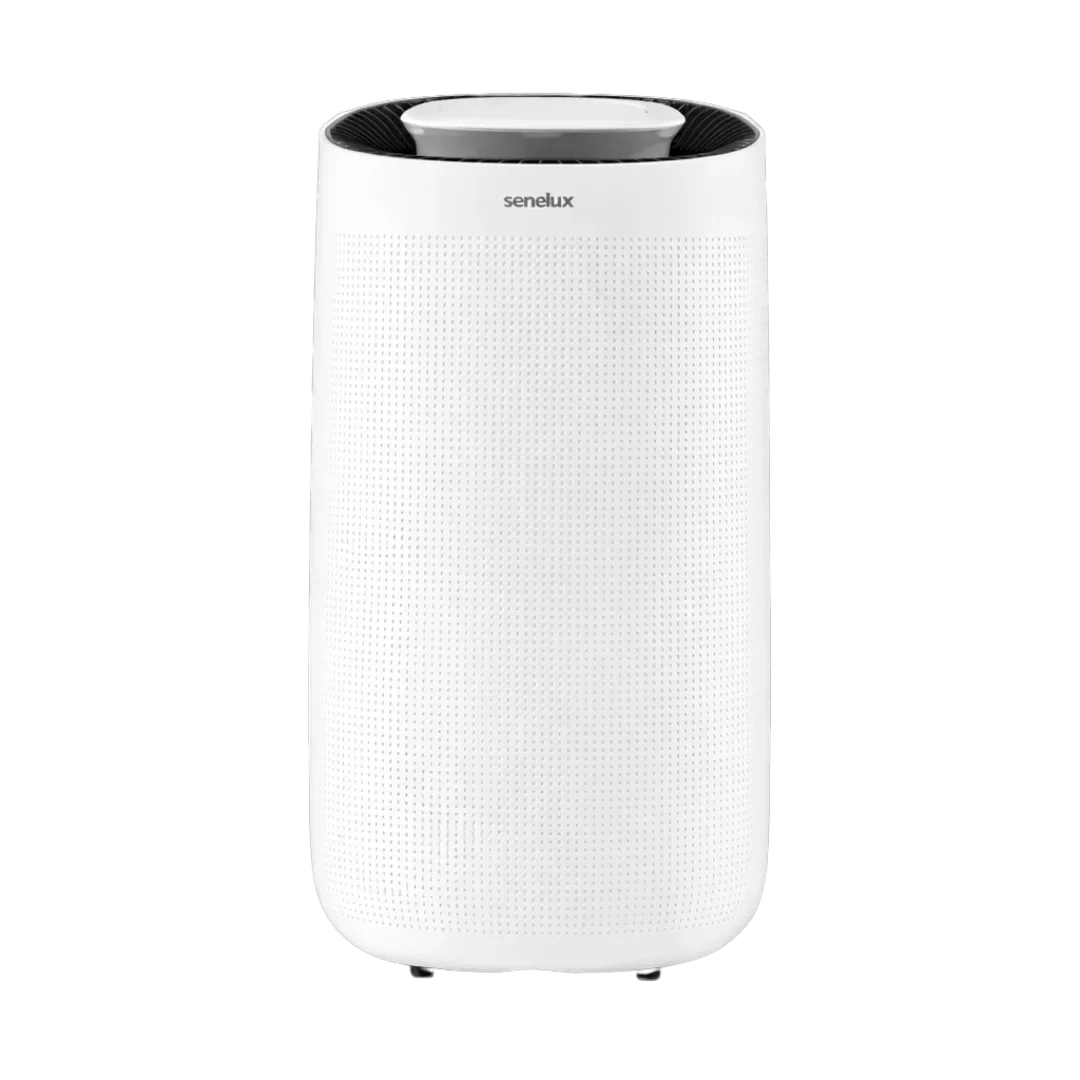
The Senelux Primo S12 is a compressor option in the current range. Compare its operating requirements and dimensions before choosing it for a bedroom. Noise is personal and depends on the setting and room; avoid relying on a general “silent” claim. A daytime session may be more practical than running an appliance beside the bed.
Is a mini dehumidifier enough?
It depends on the moisture load. Compact models can suit small local tasks, but should not be assumed to handle a regularly occupied bedroom plus indoor laundry. Tank volume is not the amount extracted each day. Read our mini-versus-large dehumidifier guide before choosing on size or hourly power alone.
What if condensation keeps returning?
Check whether the appliance is operating within its temperature range, whether the tank is full and whether moisture is entering faster than it is being removed. If you are not seeing improvement, reassess the cause instead of assuming longer running time is the answer.
Recurring mould, damaged finishes, leaks or persistent damp need appropriate investigation and remedial work. A dehumidifier cannot clean mould or fix the building. For a rented home, report persistent damp and relevant defects to the person responsible for repairs.
Choose your next step
If you have identified excess moisture and a suitable operating environment, compare Senelux dehumidifiers. For broader seasonal advice, read whether a dehumidifier is worthwhile in winter. Check product details and current availability before ordering.
Further reading: Basingstoke and Deane guidance on condensation and mould. Product features: linked Senelux listings.